

The model consists of three well-designed bedrooms, each furnished with low-profile beds, wooden furniture, and soft neutral colors that promote relaxation and comfort. Large windows allow ample daylight to enter, reducing the need for artificial lighting and strengthening the connection between the indoor and outdoor environment
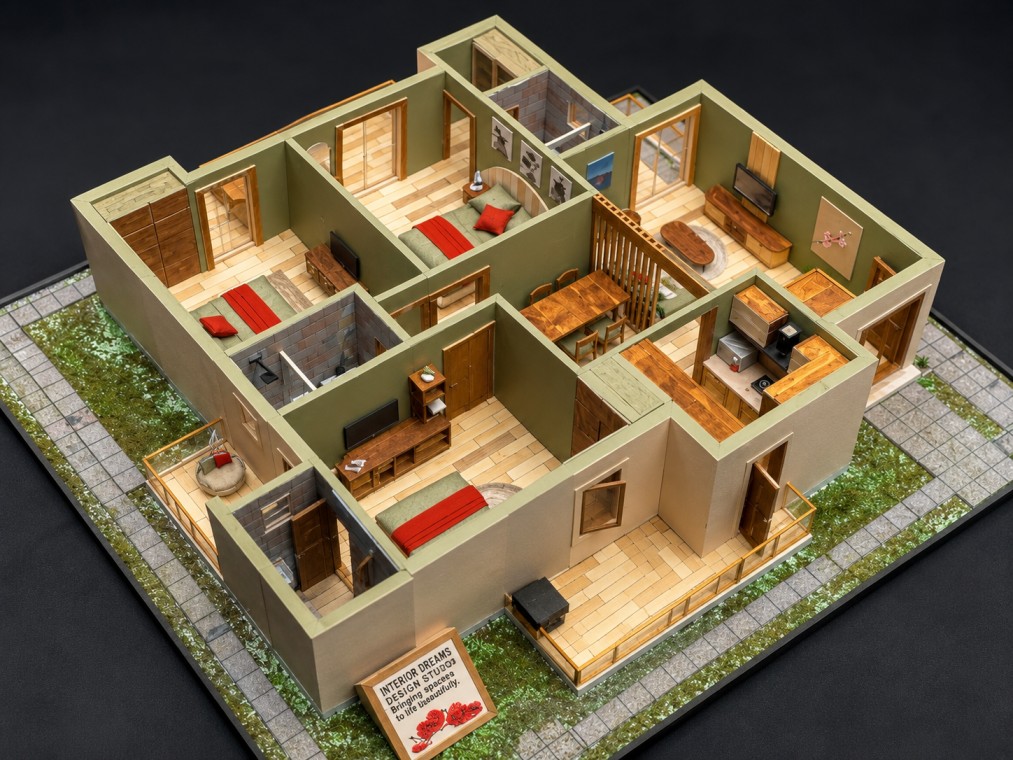
Table of Contents
Scandinavian Design
It has long been celebrated for its ability to transform everyday living spaces into calm, functional, and beautiful environments. Rooted in the Nordic values of simplicity, practicality, and a deep connection to nature, this design philosophy prioritizes clean lines, natural materials, and an uncluttered approach that promotes well-being. In today’s fast-paced world, Scandinavian Design offers a refreshing antidote—creating homes that feel both restful and highly livable.
Principle Of Design
At the heart of Scandinavian Design lies the principle of “less is more.” Spaces are thoughtfully arranged to eliminate excess while ensuring every element serves a purpose. Furniture is typically low-profile and understated, allowing the architecture and natural light to take center stage. Soft neutral color palettes—think beige, cream, light brown, and muted olive—create a warm, peaceful atmosphere. These tones are often paired with natural wood finishes, stone textures, and subtle textile accents that add quiet character without overwhelming the senses.
Plan
Large windows play a crucial role in authentic Scandinavian interiors. By maximizing daylight, they reduce the need for artificial lighting during the day and strengthen the visual and emotional connection between indoor and outdoor environments. This emphasis on light and nature is not merely aesthetic; it supports a healthier, more balanced lifestyle. Rooms feel open, airy, and inviting, encouraging relaxation and meaningful interaction.
A well-executed Scandinavian Design home often features an open-plan layout that flows seamlessly from living areas to dining and kitchen spaces. The living room becomes the calm center of the home, furnished with simple pieces, natural wood finishes, and an uncluttered arrangement that invites family gatherings. Adjacent dining zones and modern kitchens continue the same language: wooden cabinetry, organized storage, and efficient work triangles that combine beauty with everyday practicality. The open concept enhances communication and creates a generous sense of spaciousness throughout the dwelling.
Bedrooms in a Scandinavian-inspired home are designed as true retreats. Low-profile beds, wooden furniture, and soft neutral colors promote rest and comfort. Minimalist detailing and carefully chosen accessories—such as a single piece of simple artwork or a few indoor plants—add subtle personality while preserving the serene atmosphere. Bathrooms follow the same philosophy, incorporating modern fixtures, neutral-toned tiles, wooden textures, and soft lighting to deliver a spa-like experience that remains true to the overall aesthetic.
Material selection is fundamental to Scandinavian Design. Oak wood, stone surfaces, and earthy tones dominate the palette, grounding the interior in nature. These elements are chosen not only for their visual warmth but also for their durability and tactile quality. Decorative objects are kept to a minimum and selected with intention—each piece contributes to the sense of calm rather than competing for attention. Indoor plants further soften the space and reinforce the connection to the natural world.
The enduring appeal of Scandinavian Design lies in its balance of form and function. It rejects trends that prioritize appearance over usability, instead offering interiors that support daily life while remaining visually harmonious. Whether applied to a compact urban apartment or a larger family residence, the principles scale beautifully. Clean lines, natural materials, abundant light, and thoughtful spatial planning work together to create environments that feel timeless rather than trendy.
In recent years, Scandinavian Design has also influenced hybrid styles such as Japandi, which blends Nordic simplicity with Japanese restraint. Yet the core values remain consistent: respect for materials, clarity of form, and a focus on human comfort. Homeowners and designers continue to turn to these principles because they deliver spaces that are both aesthetically pleasing and deeply livable.
Embracing Scandinavian Design does not require a complete renovation. Small, intentional changes—introducing natural wood elements, simplifying furniture arrangements, maximizing natural light, or adopting a restrained color palette—can begin to shift the feeling of a home. Over time, these choices accumulate into an environment that feels calmer, more functional, and more connected to nature.
Ultimately, Scandinavian Design is more than a visual style. It is a thoughtful approach to living that values quality over quantity, comfort over excess, and harmony over clutter. By centering natural materials, light-filled spaces, and purposeful layouts, it creates homes that support well-being and stand the test of time. For anyone seeking a peaceful, practical, and beautiful interior, Scandinavian Design remains one of the most enduring and rewarding paths to follow.
Enhance your interior journey with the Interior Dreams
- Collaborate with Interior Dreams
- Showcase your projects.
- Experience the world of interior architecture.

Leave a Reply